Colorado is home to a thriving brewery scene, with over 400 breweries scattered throughout the state. From small, independent breweries to large, award-winning operations, there is something for everyone in Colorado’s beer world. So we want to make a Directory! A list that people can comment on and review the brew!
Setting the stage: Colorado, the land of stunning landscapes and craft beer
Colorado, with its sprawling mountains, picturesque landscapes, and vibrant cities, has captured the hearts of adventurers and nature enthusiasts alike. But beyond its natural beauty and outdoor activities lies a hidden gem that has taken the state by storm – its remarkable craft beer scene.
As you wander through Colorado’s towns and cities, you’ll find yourself stumbling upon one brewery after another, each offering a unique blend of flavors crafted with utmost care and dedication. From the towering peaks of the Rockies to the urban streets of Denver, Colorado’s brewing culture is an integral part of its identity.
The booming craft beer scene in Colorado and its significance
It’s no secret that Colorado boasts one of the most dynamic and flourishing craft beer scenes in the entire United States. With over 425 breweries scattered across the state, it has become a mecca for both seasoned beer connoisseurs and newcomers to the world of brewing.
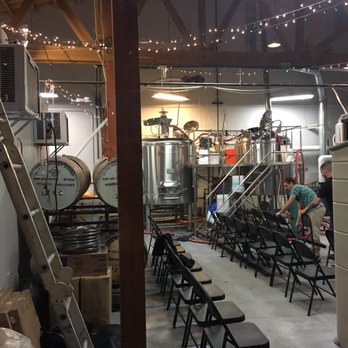
The significance of this boom cannot be overstated – it has not only revitalized small towns by attracting tourism but has also contributed immensely to local economies. Craft breweries have become community gathering places where friends come together to enjoy handcrafted beers while supporting local businesses.
Colorado’s brewing scene is characterized by its diversity – from traditional lagers to experimental IPAs infused with tropical fruits or barrel-aged stouts oozing with complexity. Breweries here are not afraid to push boundaries, experimenting with unusual ingredients or blending different styles to create something truly extraordinary.
This spirit of innovation creates excitement among both brewers and drinkers alike. Beyond just producing exceptional beers, these breweries often act as hubs for cultural exchange where ideas are shared and friendships forged.
They provide a space for people from all walks of life to come together over their shared love for exquisite brews. Whether you’re seeking a cozy, dimly lit taproom nestled in the heart of the city or a rustic brewery overlooking panoramic mountain vistas, Colorado offers an unparalleled beer experience.
In this article, we will delve deep into the world of Colorado’s breweries, exploring their history, highlighting the iconic establishments that have shaped the industry, and uncovering hidden gems waiting to be discovered. So sit back, grab a pint of your favorite craft beer (preferably from Colorado), and embark on this flavorful journey as we explore the captivating and ever-expanding brewing culture of the Centennial State.
The Birth of a Brewing Culture: Uncovering the historical roots of brewing in Colorado
The rich tapestry of Colorado’s craft beer scene, with its diverse range of flavors and styles, can be traced back to the very foundations on which this great state was built. The historical roots of brewing run deep in the veins of Colorado, intertwining with the pioneering spirit that shaped the West. It is impossible to fully appreciate the present-day brewery boom without acknowledging the early influences that laid the groundwork for this flourishing industry.
The influence of German immigrants on brewing traditions
In the mid-19th century, a wave of German immigrants settled in Colorado, bringing with them not only their dreams but also their age-old brewing traditions. These industrious and beer-loving pioneers established breweries throughout the state, leaving an indelible mark on its culture and taste buds. The Germans introduced meticulous craftsmanship and strict adherence to quality standards that set a high bar for brewers at that time.
With their expertise in lagers, they transformed Colorado into a hub for German-style beers – crisp pilsners, malty bocks, and smooth dunkels – brewed with unparalleled precision and care. Their commitment to excellence resonated deeply with locals who quickly developed an appreciation for these finely crafted libations.
Prohibition’s impact on the industry and its subsequent revival
However, as we explore history’s pages further, we encounter a dark chapter known as Prohibition – an era that cast a shadow over breweries across America. From 1920 to 1933, this ill-conceived social experiment attempted to quell our nation’s thirst for alcohol by banning its production and sale.
During Prohibition years, breweries were shuttered or forced to pivot towards producing non-alcoholic beverages or even malt extracts used for baking purposes. This devastating blow nearly obliterated Colorado’s once-thriving brewing culture, leaving only a faint memory of its former glory.
But, as is often the case with a resilient spirit, the brewing industry in Colorado emerged from the ashes of Prohibition. With the repeal of the 18th Amendment in 1933, courageous entrepreneurs rose to the occasion, breathing life back into breweries that had fought to survive.
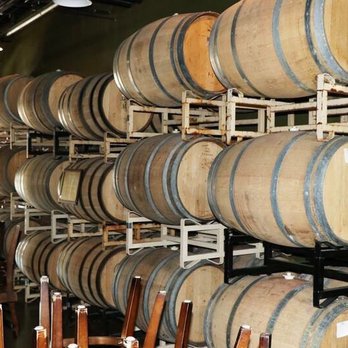
These pioneers revitalized beer production by adapting to changing tastes and expanding their offerings beyond traditional German styles. This rebirth marked an important turning point for Colorado’s brewing culture.
It spurred an era of experimentation and creativity that gradually transformed local beer from a commodity into an art form. Today, we owe much of our vibrant craft beer scene to those who refused to let Prohibition define our drinking culture.
So, next time you raise a glass filled with liquid gold crafted by one of Colorado’s exceptional breweries, take a moment to appreciate its historical significance. Each sip embodies not just flavors meticulously honed over time but also the resilience and passion that brought us here today.
Exploring the Craft Beer Capitals
Denver: Where it all begins
Oh, Denver! The majestic gateway to Colorado’s craft beer wonderland.
This vibrant city has earned its stripes as the epicenter of a brewing revolution, boasting a staggering number of breweries that would make any beer aficionado weak in the knees. But amidst this sea of suds, there are a few breweries that stand head and shoulders above the rest, immortalized as pioneers who shaped Denver’s reputation as a beer haven. Our friends at ProCo Hood Cleaning in Denver are helping us to chase down every brewery in Denver to check out.
Great Divide Brewing Company: Pioneers of bold and innovative brews
When it comes to pushing the boundaries of flavor, Great Divide Brewing Company is at the forefront. Their commitment to crafting unique and audacious brews is what sets them apart from the pack.
From their rich and robust Yeti Imperial Stout to their hop-fueled Titan IPA, Great Divide never fails to deliver an unforgettable experience with each sip. They’ve become synonymous with trailblazing in the brewing industry and have cemented their place in Denver’s beer-loving heart.
Wynkoop Brewing Company: Colorado’s first brewpub, blending history with flavor
History permeates every corner of Wynkoop Brewing Company, Colorado’s very first brewpub. Located in a historic building that once housed Denver’s first saloon over 100 years ago, they continue to honor their roots by producing exceptional beers worthy of celebration.
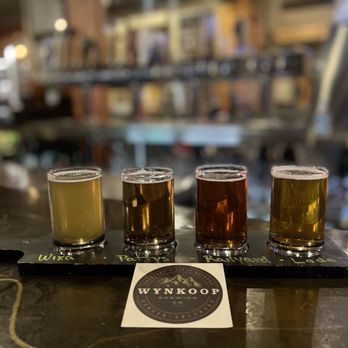
Wynkoop effortlessly blends tradition with innovation, offering an extensive range of styles for all palates. Whether you’re savoring their crisp Rail Yard Ale or indulging in their award-winning Rocky Mountain Oyster Stout (yes, you read that right), Wynkoop remains a stalwart presence in Denver’s brewing scene.
New Belgium Brewing Company: Makers of Fat Tire, leading sustainability efforts
When it comes to sustainability and delicious beer, New Belgium Brewing Company reigns supreme. At the heart of their operation is their unwavering commitment to both environmental stewardship and crafting quality brews. Known for their iconic Fat Tire Amber Ale, New Belgium has successfully built a brand that resonates with beer enthusiasts worldwide.
But it’s not just about the beer; it’s about the ethos behind it. From utilizing renewable energy sources to championing water conservation, every sip you take from a bottle of New Belgium’s beer is a testament to their dedication to the planet.
Hidden gems for beer enthusiasts to discover
While Denver boasts its fair share of well-known breweries, there are hidden gems lurking in unexpected corners, waiting to be discovered by adventurous beer enthusiasts. From the intimate and experimental Baere Brewing Company, where small-batch creations take center stage, to the rustic charm of Our Mutual Friend Brewing, which boasts an impressive lineup of barrel-aged wonders – these lesser-known establishments offer a chance to explore unique flavors and engage in conversations with passionate brewers who pour their hearts into each pint.
Fort Collins: Where quality meets creativity
If Denver is Colorado’s craft beer epicenter, then Fort Collins is its rebellious sibling that dares to push boundaries without compromising on quality. Nestled against the foothills of the Rocky Mountains, this city exudes an aura of artistic freedom that permeates its breweries.
Odell Brewing Company: Craftsmanship rooted in family values
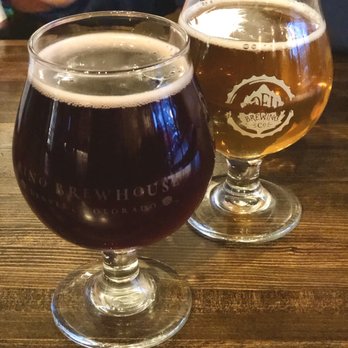
Odell Brewing Company stands tall as a testament to family values and unwavering dedication. Founded by Doug Odell and his wife Wynne back in 1989, this brewery has grown into an institution known for producing exemplary beers that showcase artisanal craftsmanship. From their flagship 90 Shilling Ale – a perfectly balanced amber masterpiece – to experimental delights like Friek, a cherry and raspberry sour ale aged in oak barrels, Odell Brewing Company continues to captivate beer lovers with their commitment to quality and innovation.
Funkwerks Brewery: Masters of Belgian-style beers with a modern twist
Prepare to have your taste buds transported to the cobblestone streets of Belgium as you step into Funkwerks Brewery. Renowned for their mastery of Belgian-style brews, this Fort Collins gem adds a modern twist that elevates their creations to new heights.
From the delicate yet complex Saison – bursting with fruity esters and spicy phenols – to the tantalizingly tart Raspberry Provincial, Funkwerks’ attention to detail is evident in every sip. They’ve carved out a niche for themselves in Colorado’s brewing landscape by delivering beers that seamlessly blend tradition and innovation.
Equinox Brewing: Embracing community spirit through unique collaborations
Equinox Brewing embodies the true essence of community in every sense of the word. This neighborhood brewery thrives on collaboration, not just between brewers but also with local artists, musicians, and businesses.
Their dedication to fostering creativity knows no bounds, resulting in a diverse lineup of beers that consistently surprises and delights patrons. Whether you’re seeking a refreshing German-style Kolsch or an adventurous experimental creation infused with locally sourced ingredients, Equinox Brewing offers an experience that goes beyond enjoying great beer; it’s about connecting with like-minded individuals who share a passion for craftsmanship and community.
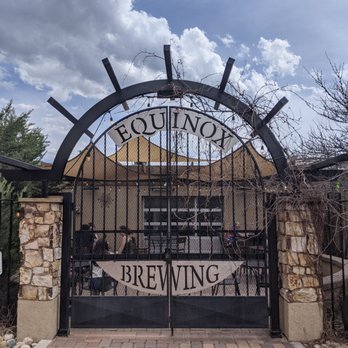
Indulge yourself in Denver’s iconic breweries that have shaped its reputation as a beer haven while exploring hidden gems waiting to be discovered by intrepid beer enthusiasts. Then venture northward towards Fort Collins where quality meets creativity at Odell Brewing Company, Funkwerks Brewery masters Belgian-style beers with a modern twist, and Equinox Brewing embraces community spirit through unique collaborations.
With these craft beer capitals leading Colorado’s brewing revolution, there’s no shortage of delightful libations to satisfy even the most discerning palate. Raise your glass and toast to the flourishing craft beer scene in the magnificent state of Colorado!
Mountain Town Breweries: High Altitude, Higher Taste
Breckenridge Brewery & Pub: Alpine-inspired flavors at their finest
Nestled among the majestic peaks of the Rocky Mountains, Breckenridge Brewery & Pub stands as a beacon of craft beer excellence. This brewery effortlessly combines breathtaking surroundings with an unparalleled commitment to flavor. As you step into the rustic yet inviting pub, you are greeted by the rich aroma of brewing magic in the air.
Every sip from their carefully crafted lineup takes you on a journey through alpine-inspired flavors that transport your senses to higher realms. From their flagship Vanilla Porter, a velvety concoction brimming with notes of roasted malt and hints of smooth vanilla, to their Avalanche Amber Ale that boasts a perfect balance between caramel sweetness and hop bitterness—every brew is an ode to the natural beauty that surrounds them.
Telluride Brewing Company: Crafting liquid gold amidst breathtaking peaks
Telluride Brewing Company has carved its name into Colorado’s craft beer scene by crafting liquid gold amidst some of nature’s most resplendent wonders. Surrounded by breathtaking peaks that seem to touch the heavens, this brewery draws inspiration from its awe-inspiring backdrop.
Their flagship beer, Face Down Brown Ale, is a testament to their mastery—it emanates layers of malt complexity akin to traversing rugged terrains dotted with vibrant wildflowers. As you indulge in this brew, you’ll taste subtle hints of chocolate and caramel intertwining seamlessly with toasted nuttiness—a true embodiment of Telluride’s rustic charm.
Oskar Blues Brewery & Tasty Weasel Taproom – Lyons: From cans to fame
From humble beginnings in a small town like Lyons comes a brewery that refuses to be confined by convention—Oskar Blues Brewery & Tasty Weasel Taproom has emerged as a trailblazer in the craft beer industry. They shattered the mold by introducing craft beer in cans, defying the snobbish notions that great beer only comes in glass bottles. Oskar Blues embodies a rebellious spirit that resonates in every sip of their iconic Dale’s Pale Ale—an explosively hoppy and citrusy American pale ale that has earned them a fervent following.
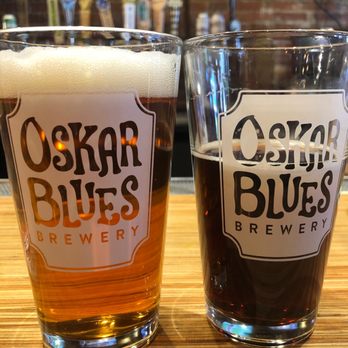
The Tasty Weasel Taproom, their revered sanctuary, invites you to sample their diverse range of brews while immersing yourself in an atmosphere that exudes creativity and boundary-breaking innovation. In these mountain town breweries, the ethereal allure of Colorado’s peaks converges with the artistry of master brewers to create an experience that transcends taste buds alone.
Each sip tells a story—the story of an alpine adventure or untamed landscapes captured within liquid form. It is here, amidst breathtaking peaks and high altitudes, where craft beer aficionados find solace and indulge their senses in pure liquid poetry.
Beyond the Beaten Path – Offbeat Breweries Worth Exploring
Crazy Mountain Brewery – Edwards Tap
Nestled in the picturesque town of Edwards, Crazy Mountain Brewery’s Edwards Tap is a hidden gem waiting to be discovered by beer enthusiasts seeking a unique experience. This offbeat brewery offers an eclectic selection of handcrafted beers that push the boundaries of traditional brewing.
From their flagship “Lava Lake Wit” with its refreshing citrus notes to their bold and hop-forward “Hookiebobb IPA,” every sip at Crazy Mountain Brewery is a journey through flavors and innovation. The taproom itself exudes a rustic charm, inviting visitors to relax and enjoy the laid-back mountain ambiance while savoring their brews.
To Sum it Up
Colorado’s breweries offer an unparalleled experience for craft beer lovers. From the iconic breweries in Denver that have shaped the industry, to the hidden treasures found in mountain towns like Breckenridge and Telluride, each sip unveils a story of craftsmanship and passion.
Whether you prefer classic styles or experimental flavors, Colorado’s diverse brewing culture caters to all palates. What sets Colorado apart is not just its outstanding breweries but also the camaraderie among beer enthusiasts that permeates every taproom.
The sense of community is palpable as locals and visitors gather to share their love for finely crafted brews. So whether you are embarking on a tasting journey through Denver or venturing off the beaten path to discover lesser-known breweries like Crazy Mountain Brewery – Edwards Tap, Colorado’s vibrant beer scene promises an unforgettable adventure.
Our Directory is being formed right now! In the meantime, if you want to tell us about your favorite brewery – please do so in the comment section. We’ll be sure to add your faves to our list.
So raise your glass high, embrace the rich tapestry of flavors, and toast to Colorado’s thriving craft beer culture—a testament to human creativity and resilience that continues to bring joy even in challenging times. Cheers!